Get a quote

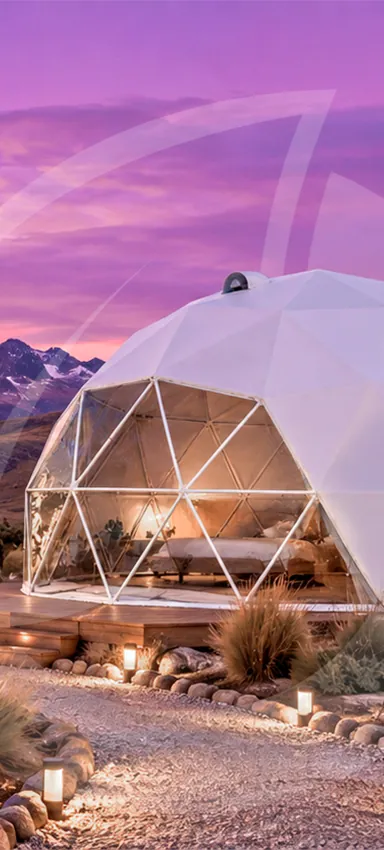
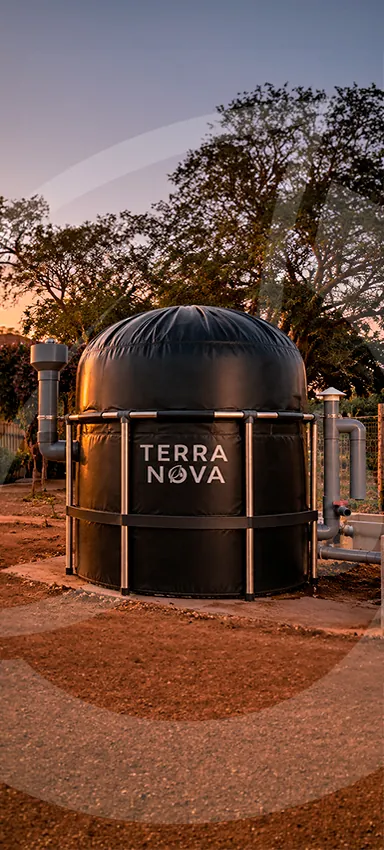
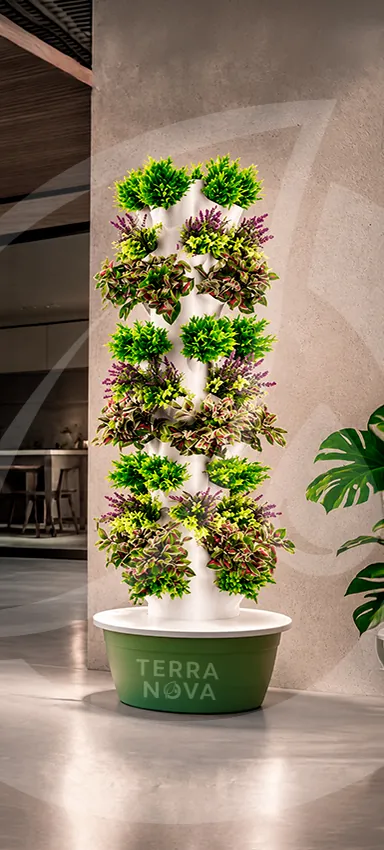

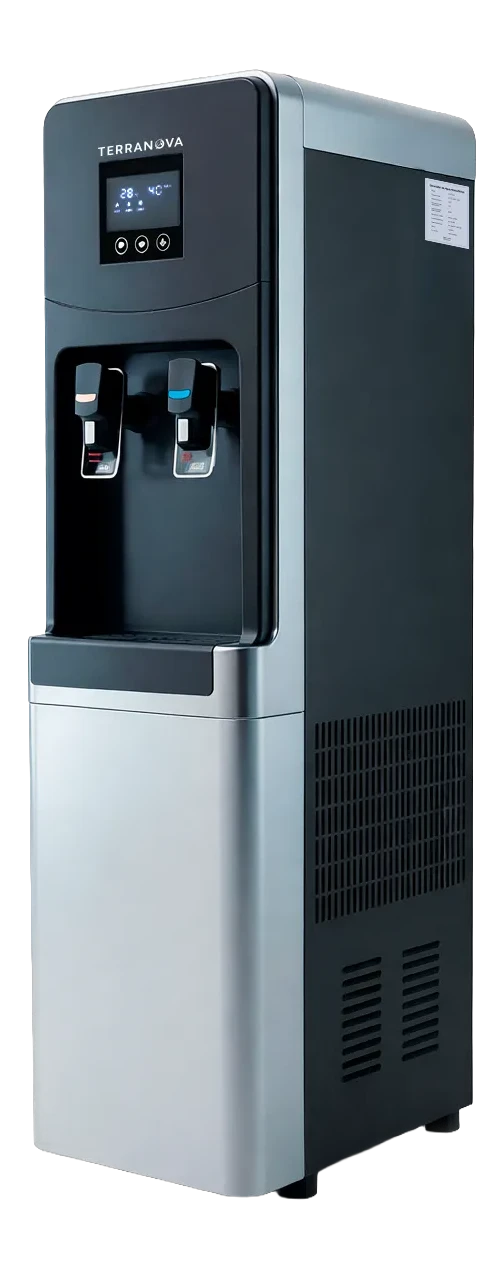
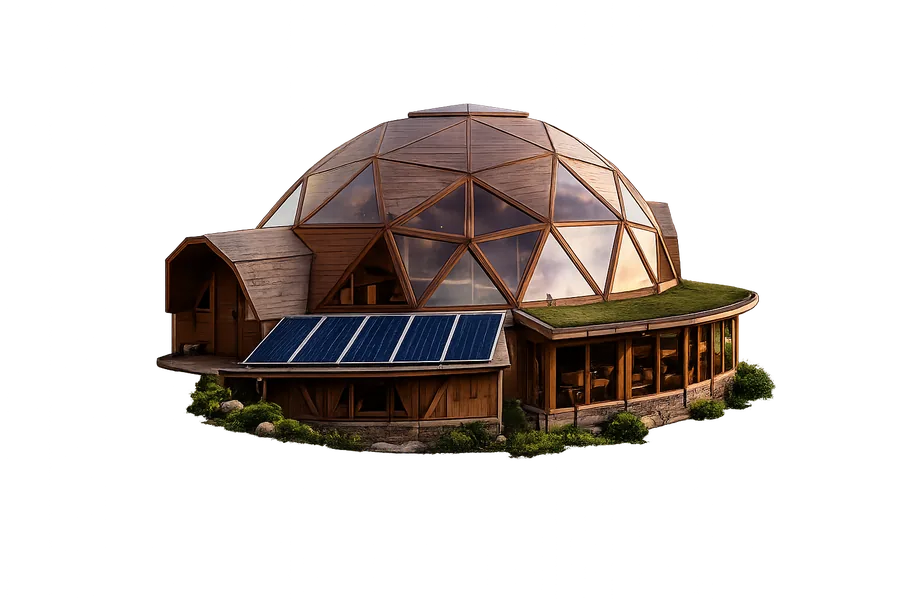

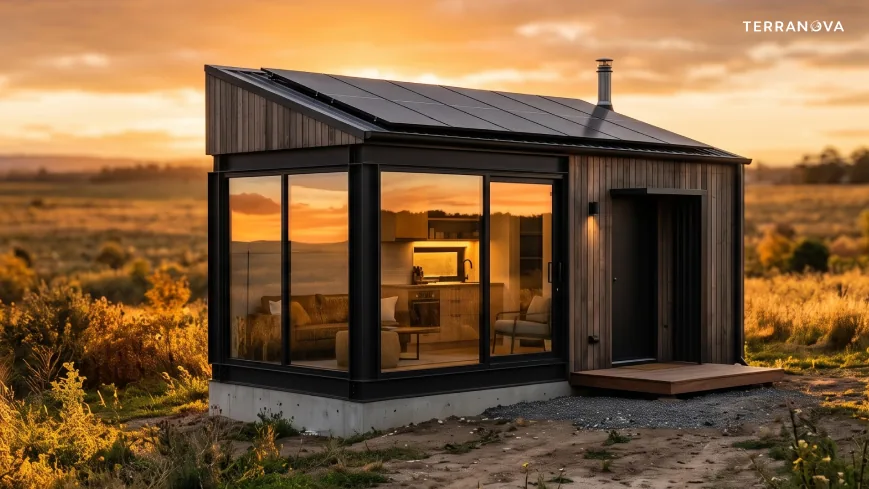
Building on a plot in the countryside or by the sea — often without utilities and far from the city — tends to be slow, expensive and complicated. Modular housing offers another route: sustainable, rapidly deployable spaces that can be temporary or permanent. A solution that today appeals to families and institutions alike.
What is modular housing?
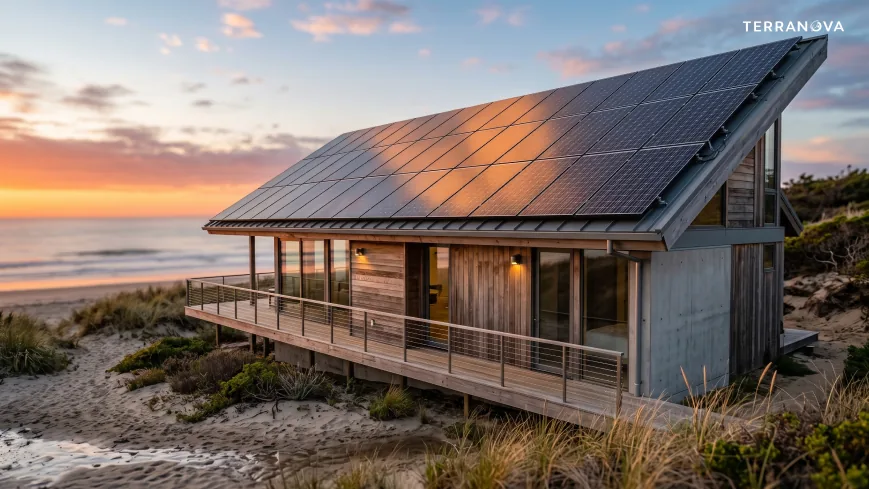
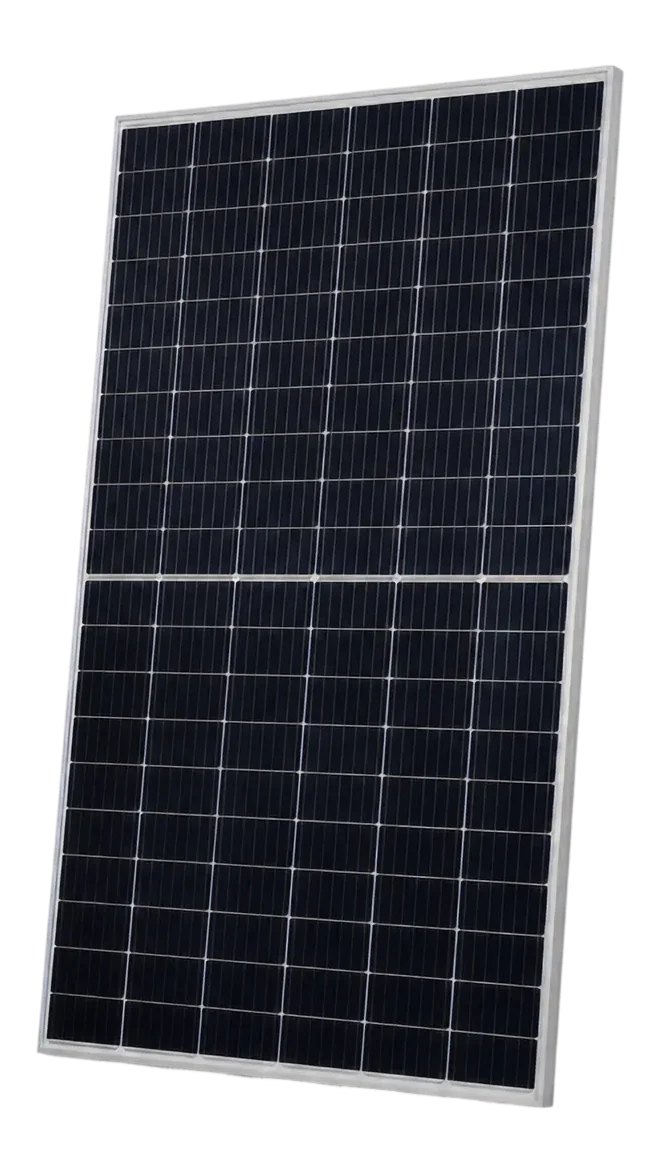
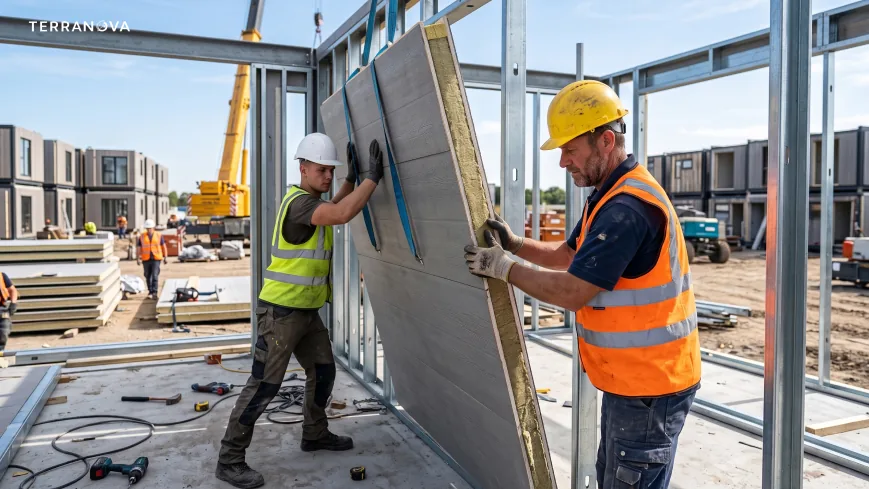
Modular housing is based on modules that are manufactured and assembled efficiently, cutting the time and the impact of traditional construction. It can be integrated with renewable energy and conceived either as temporary housing or as a permanent home, depending on the project.
Advantages over traditional construction
Speed — less construction time than a conventional build.
Sustainability — solutions designed to reduce environmental impact.
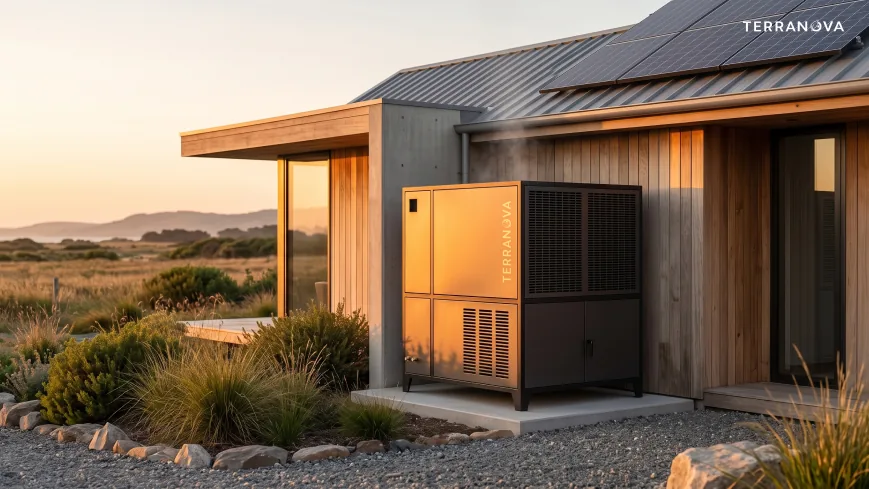
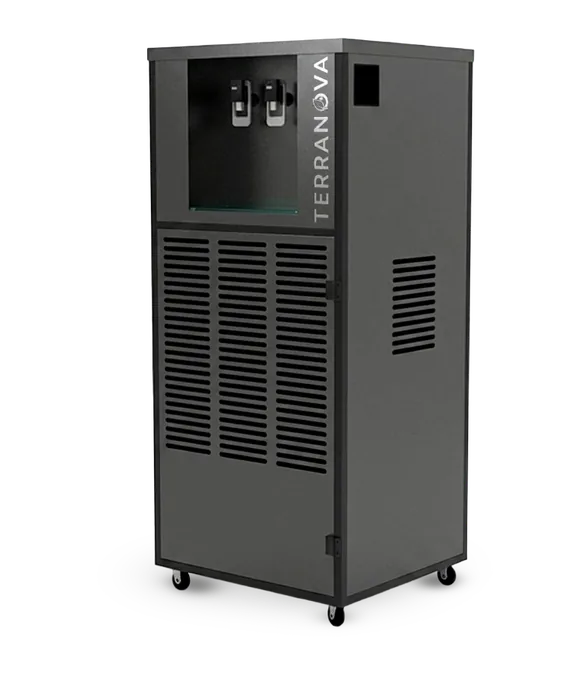
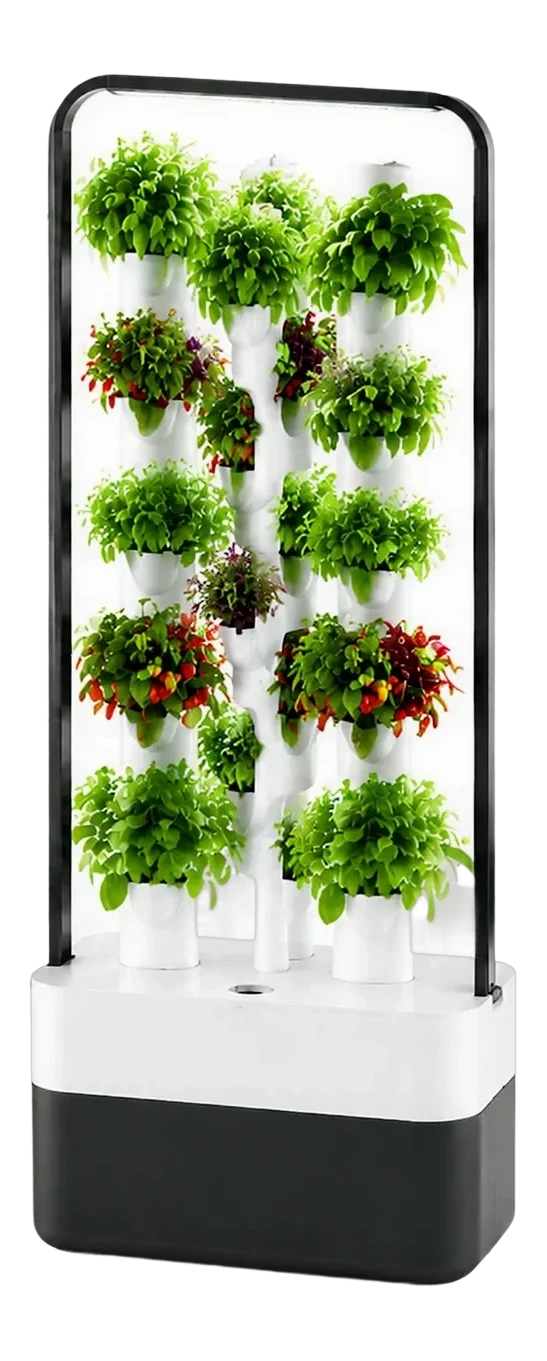
Adaptability — it suits plots without utilities, combined with off-grid water and energy.
Versatility — from housing modules to domes for different uses.
Use cases for the home (B2C)
For the premium residential segment, modular housing is an attractive route to building a second home by the sea or in the countryside without the timescales of traditional construction. It also opens up opportunities in high-end tourism: domes and modules for glamping, accommodation and sustainable experiences.
Institutional use cases (B2B)
In the institutional sphere, modular housing meets specific needs: regional governments and civil defense for reconstruction and emergencies; mining for camps and personnel at remote operations; NGOs and international organizations for social projects; and health and education sectors that require rapidly deployable modules.