Get a quote





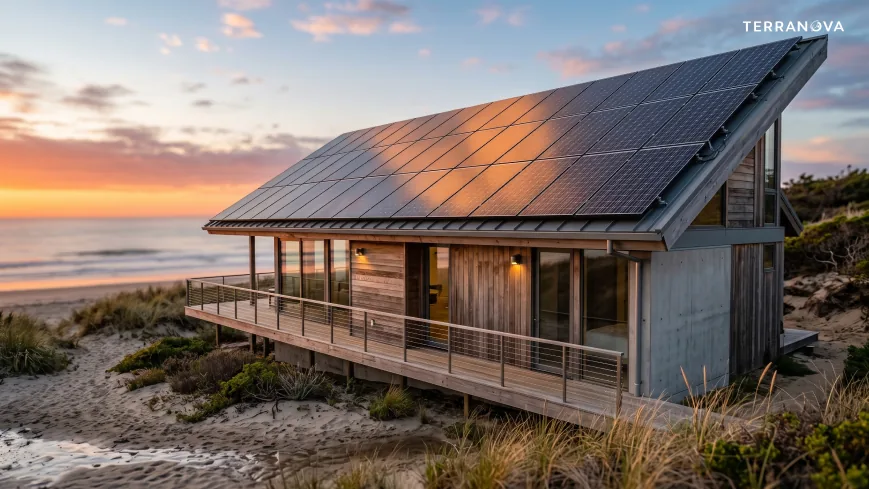
Power bills keep rising, outages strike without warning and, in many beach or country houses, the electricity grid arrives weak or simply never arrives. Solar power offers a way out: generate your own electricity, reduce your reliance on the grid and gain autonomy. And today it is as sound a decision for a household as it is for a business.
The cost (and the fragility) of relying on the grid alone
Relying entirely on the electricity grid carries two costs. The obvious one is a tariff that tends to rise; the less visible one is vulnerability to outages and to poorly supplied areas. In a second home far from the city that fragility is felt even more, and for a productive operation it can mean bringing activity to a halt.
Solar power: generating your own electricity
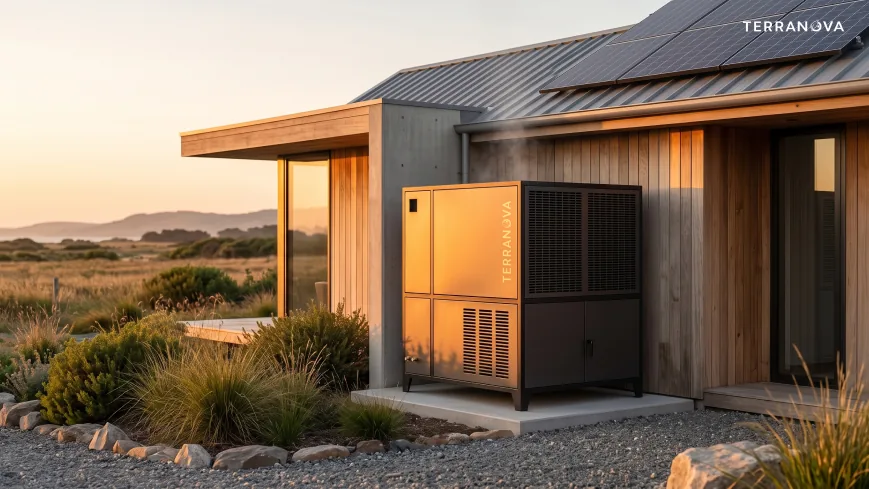
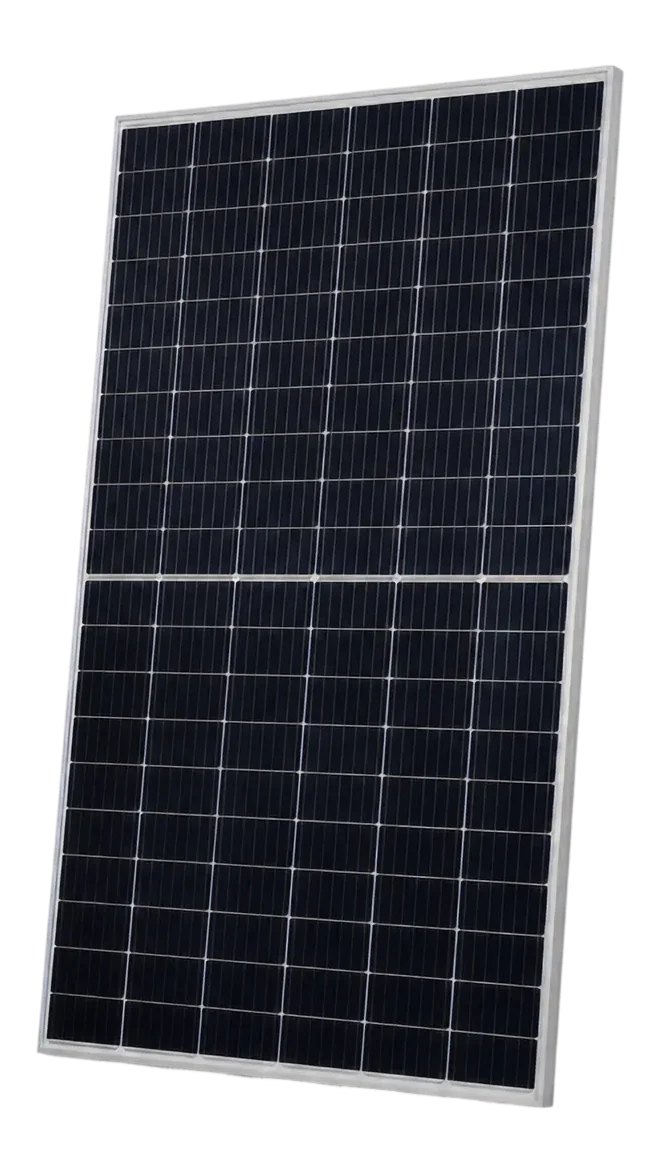
Solar power systems convert sunlight into electricity using high-efficiency panels. It is a clean, renewable source that can cover part or all of your consumption, depending on the system installed.
High-efficiency panels — more energy generated in less space.
Clean, renewable energy — a source that does not depend on fuel.
Lower consumption from the grid — less reliance and lower monthly spending.
Benefits: savings, autonomy and sustainability
Installing solar power is, above all, about regaining control. The monthly bill goes down, you gain independence from outages and tariff rises, and you move towards more responsible consumption. For a business, it also contributes to sustainability targets and helps keep operating costs in check.
For the premium home and for business
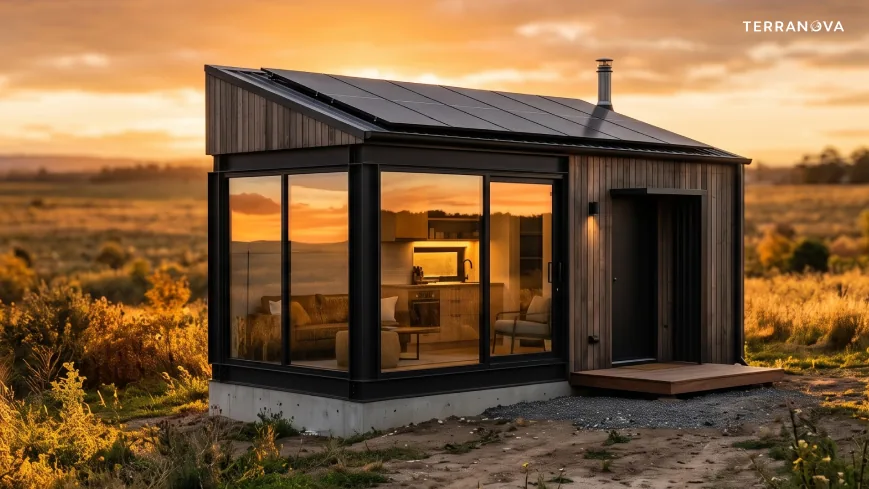
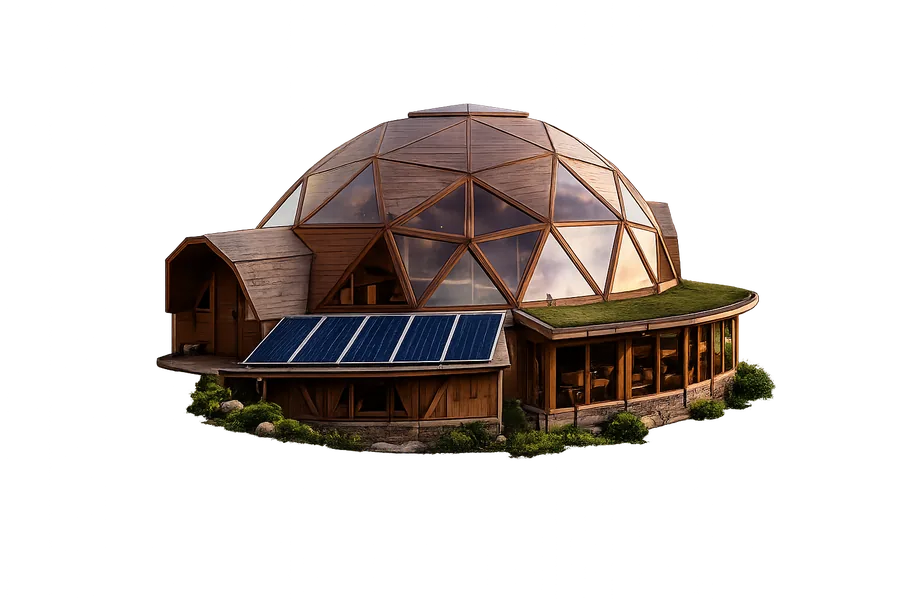
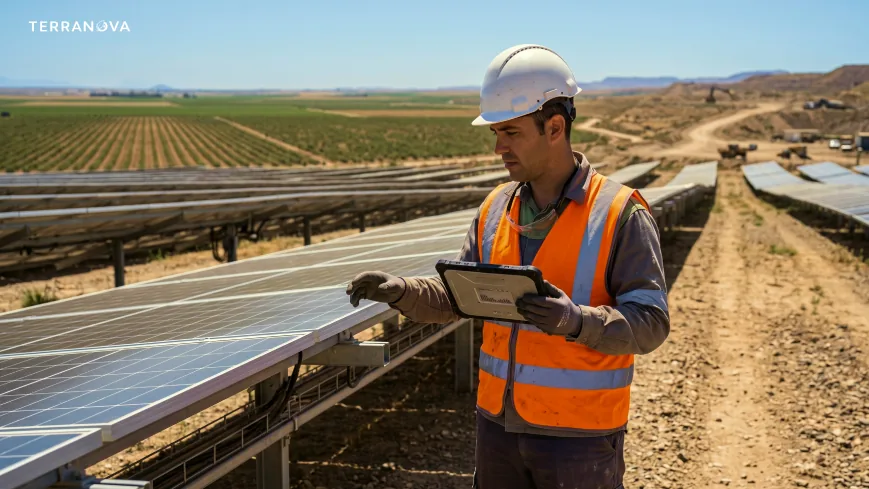
On the residential side, solar power is ideal for second homes by the sea and in the countryside, where autonomy makes the difference between enjoying them without worry and depending on an unstable grid. On the institutional side, it enables mining, agro-industrial, telecommunications and health operations in places where off-grid energy is a condition for operating at all.